
New Well Checklist: What to Expect From the First Visit
Drilling a new well involves more steps than most homeowners expect — permits, drilling, a pump, a pressure tank, and often a water conditioning system, all before the first glass of water comes out of the tap. If you're planning a new well, or just trying to understand a quote you've received, here's what actually happens, in order, so you know what to expect at each stage of the process.
1. The Site Visit
Everything starts with a site consultation. A technician looks at your property layout, discusses your water needs, and gets a sense of the local aquifer conditions in your area, which can vary block by block in some parts of our service area, even between two properties on the same street. This visit also determines whether you're looking at a standard residential well or something sized for commercial or agricultural use, since the equipment and expected yield differ significantly between the two. Read more about the full water well drilling process.
2. Permits, Before Anything Gets Drilled
Illinois law requires a well construction permit before drilling begins, issued by the county health department where your property is located. Will, Kane, Kendall, DuPage, and Grundy counties each run their own process under Illinois IDPH oversight, so the exact paperwork and processing time depend on where you live. K & K files this on your behalf as a standard part of every project, it's not something you need to track down or navigate yourself, and it's factored into your overall project timeline from the start.
3. Drilling Day
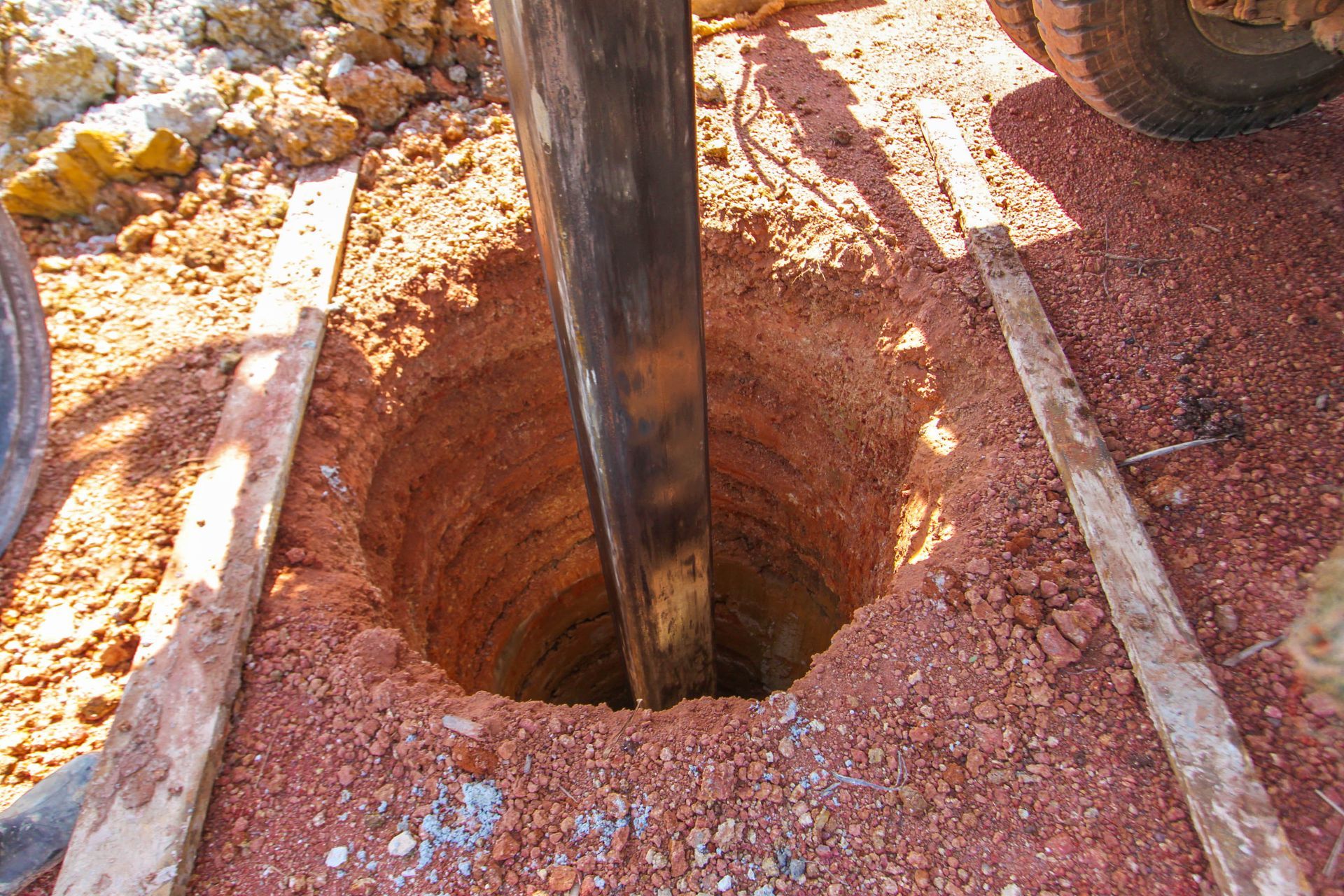
A typical residential well takes one to two days to drill. The crew drills to the appropriate depth for your local aquifer formation, then installs steel or PVC casing with grouting in the annular space to keep surface contaminants out of your water supply. Deeper wells, or properties with more complex geology, can take longer, and the crew will let you know upfront if your site is likely to fall into that category based on what neighboring wells in the area have looked like.
4. Pump Selection & Installation
Once the well is drilled, it needs a pump — typically a submersible pump. K & K sizes the pump to your well's depth and your household or business demand. We focus on getting the sizing right the first time, since an undersized or oversized pump causes problems well beyond the initial installation. Learn more about our pump installation and replacement services.
5. Pressure Tank Sizing
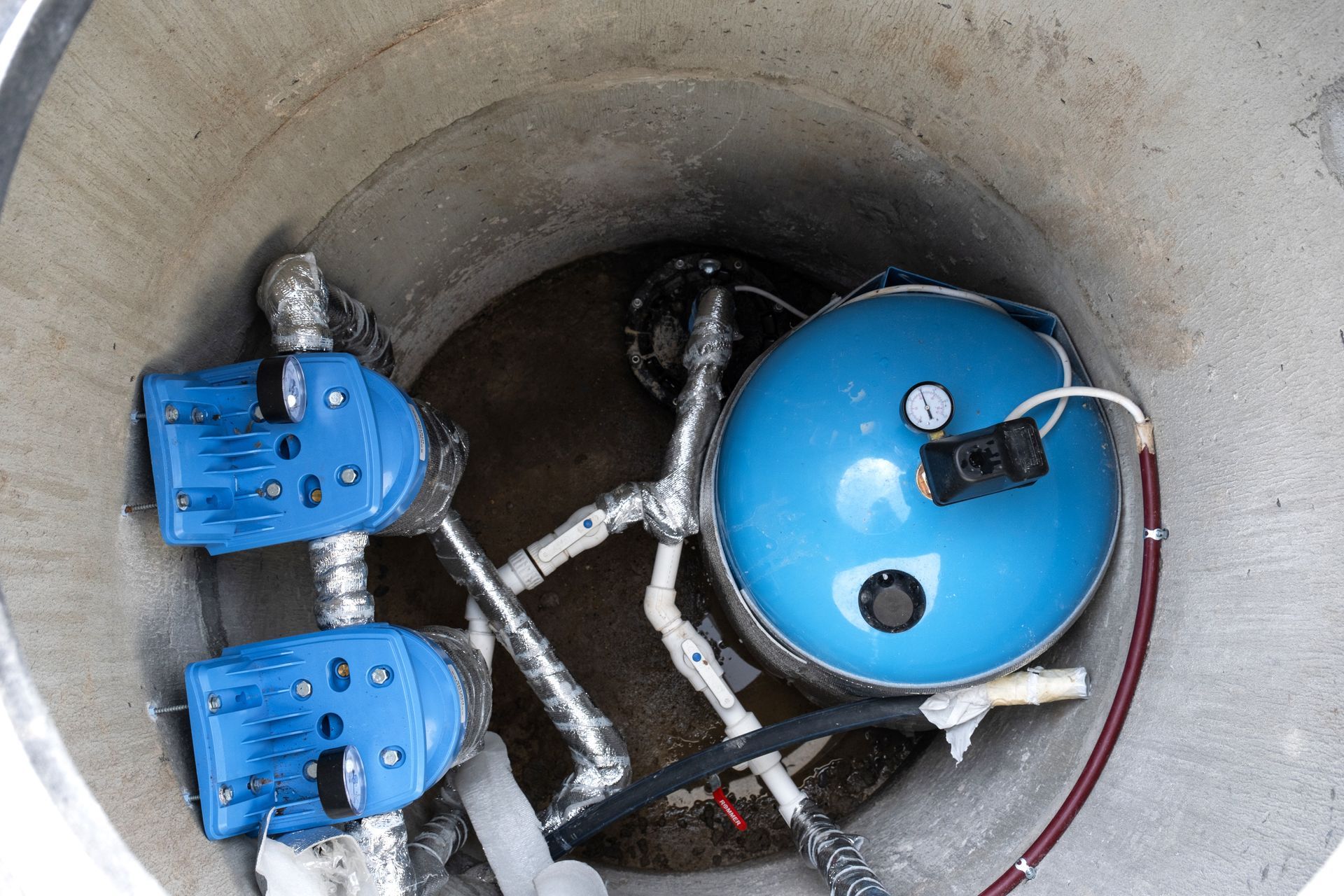
A pressure tank stores pressurized water so your pump isn't cycling on and off every time you turn on a faucet. Tank size is matched to your pump's flow rate and expected water demand, an undersized tank causes premature pump wear, while an oversized one adds unnecessary cost without a real benefit. This step is built into every new well project from the start rather than something you have to arrange separately once the well is already finished. See our pressure tank installation guide for more detail.
6. Water Testing & Conditioning
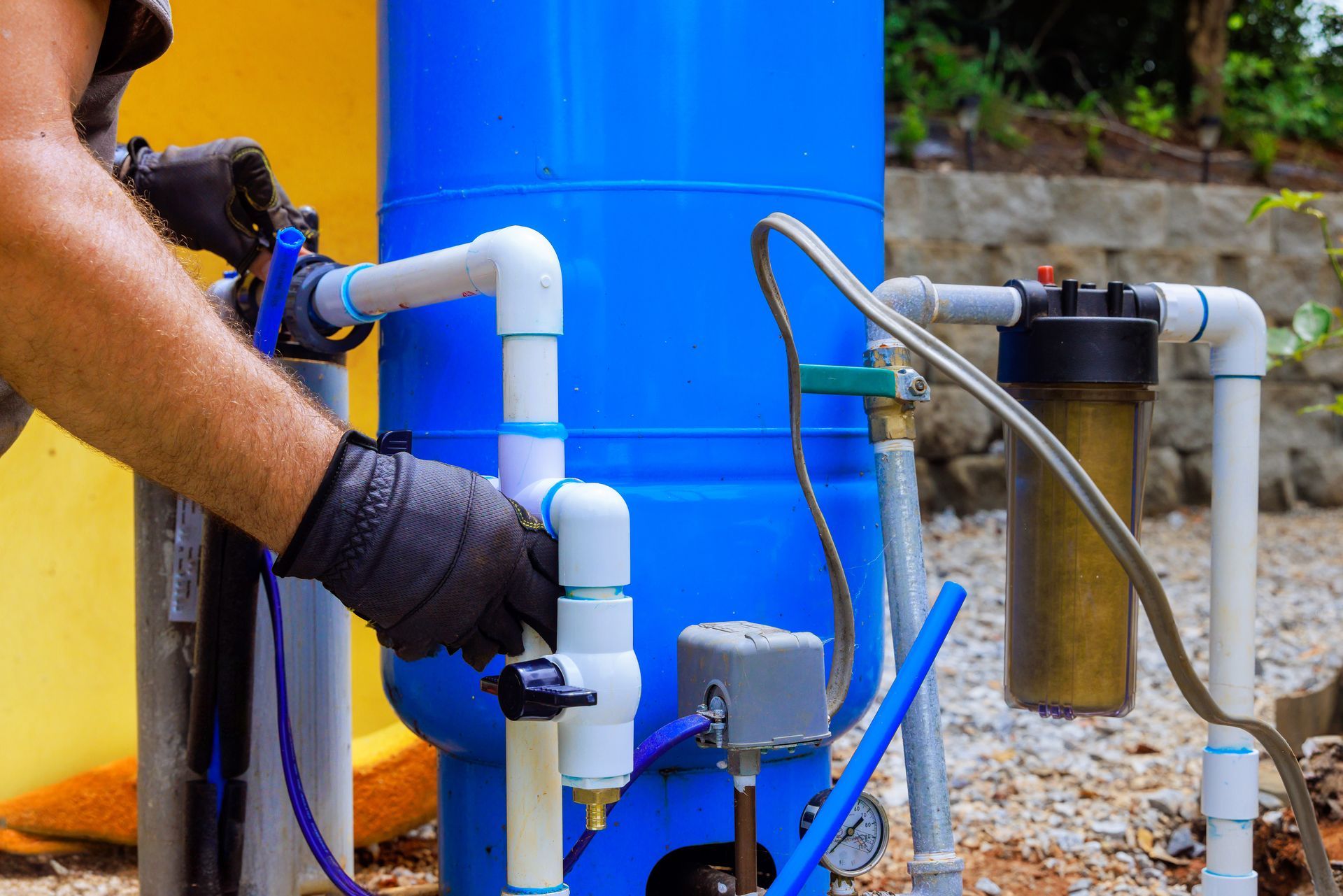
Once the system is installed, your water gets tested for hardness, iron, sulfur, and other compounds naturally present in the local groundwater. Depending on the results, a water conditioning system — a softener, whole-house filtration, or targeted iron or sulfur removal — may be worth adding before you start using the water daily for drinking, laundry, and everything else. Skipping this step doesn't cause immediate problems, but it often means dealing with hard water spots, staining, or odor issues down the road that could have been addressed from day one. Explore our water conditioning services to see what's involved.
Ready to Start Your New Well Project?
K & K Well Drilling, Inc. has managed this process for well owners since 1961, anywhere in our service area. Call (630) 553-5111 to schedule a site visit or see if we serve your community on our Service Areas page.