
Adding a Bathroom or Pool? What That Means for Your Well and Pump
A home renovation that adds water use — a new bathroom, a pool, an irrigation system, even a significant laundry or kitchen upgrade — changes the demand on your well system, whether or not anyone thinks to check on that before the project starts. Most renovation planning focuses on permits, contractors, and design, and the well system gets considered only after someone notices a problem, often well after the project is finished and the budget for addressing it has already been spent elsewhere. Here's what actually changes and what's worth checking before you start.
Why Added Water Use Matters to Your Well System
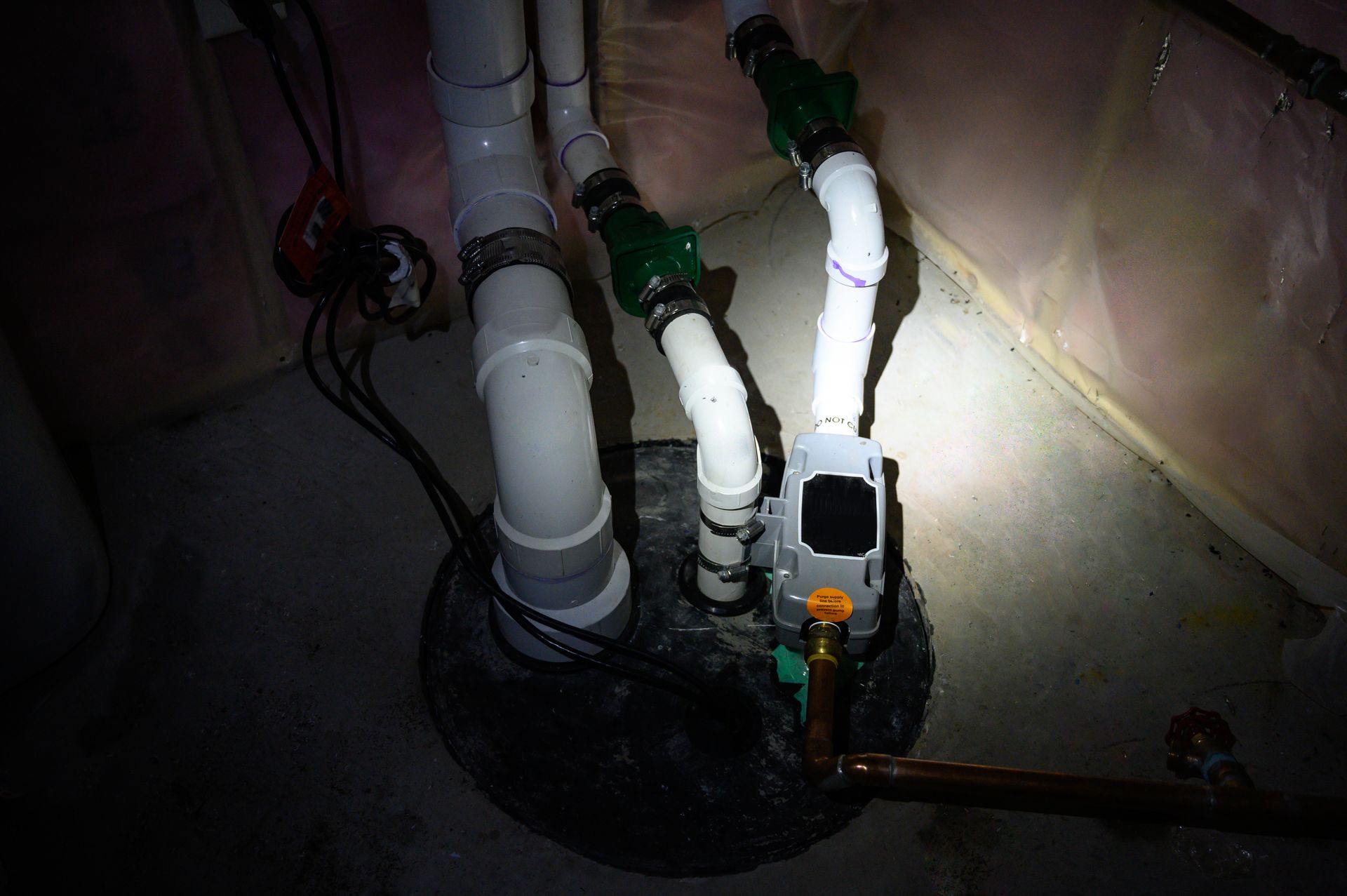
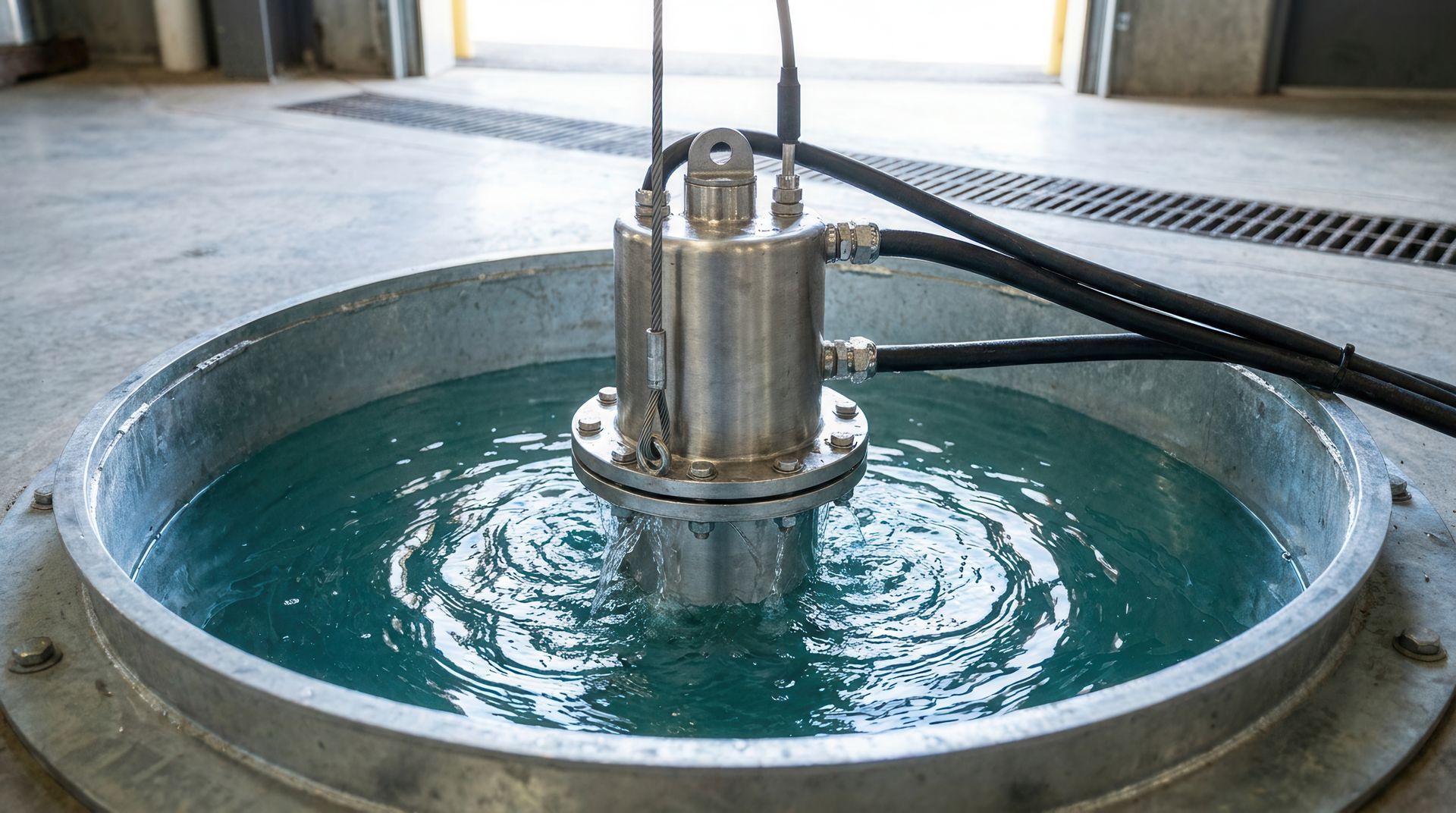
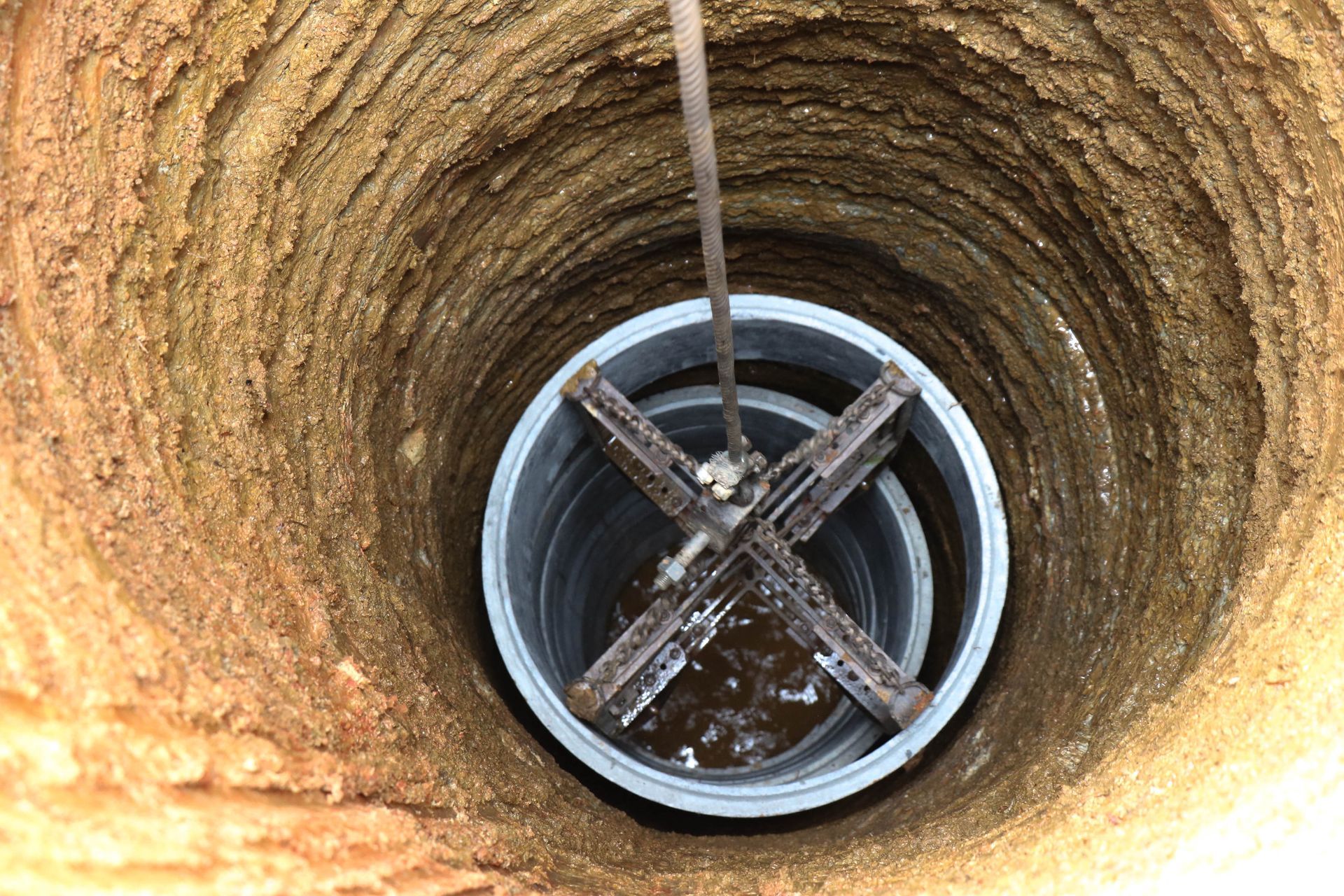
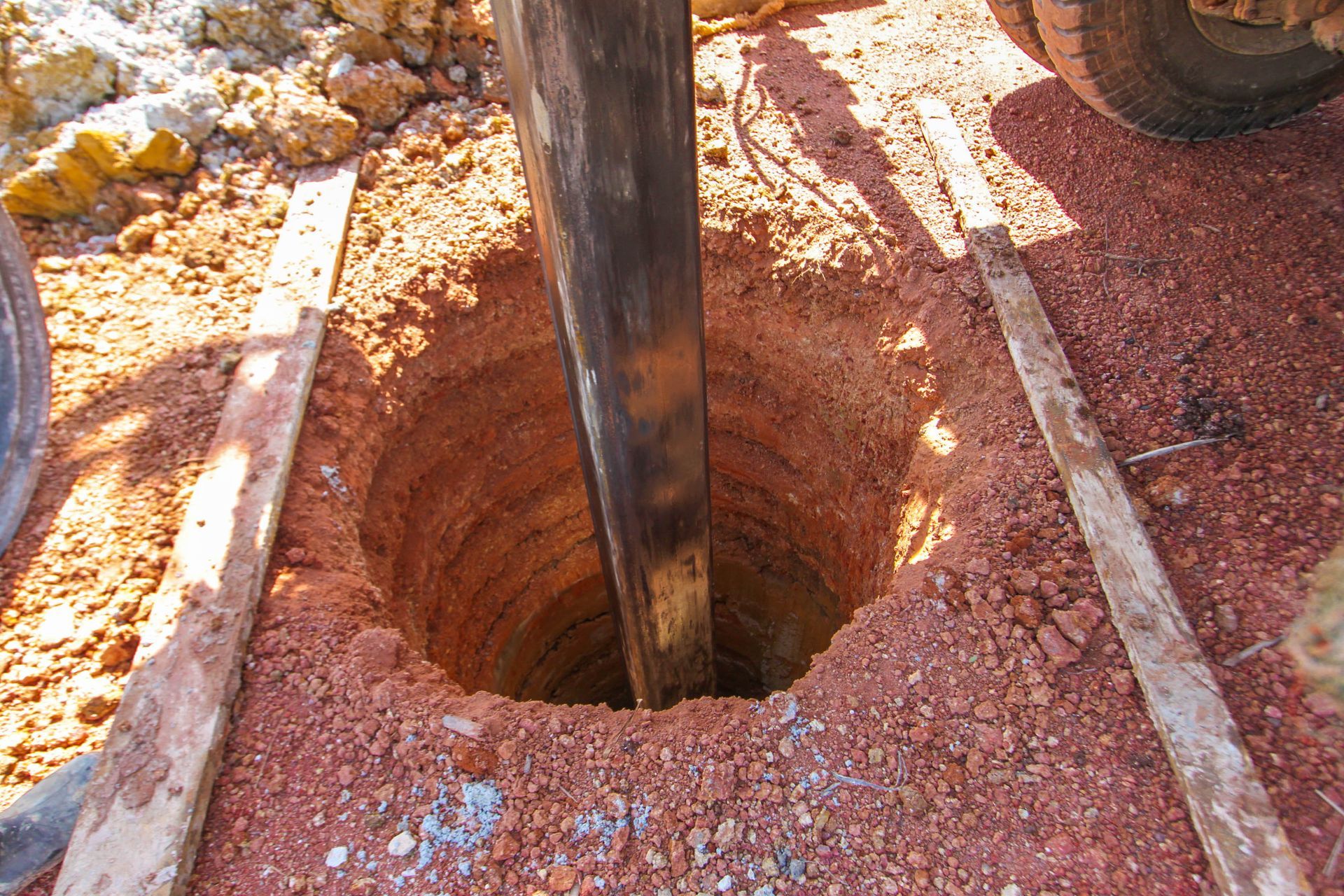
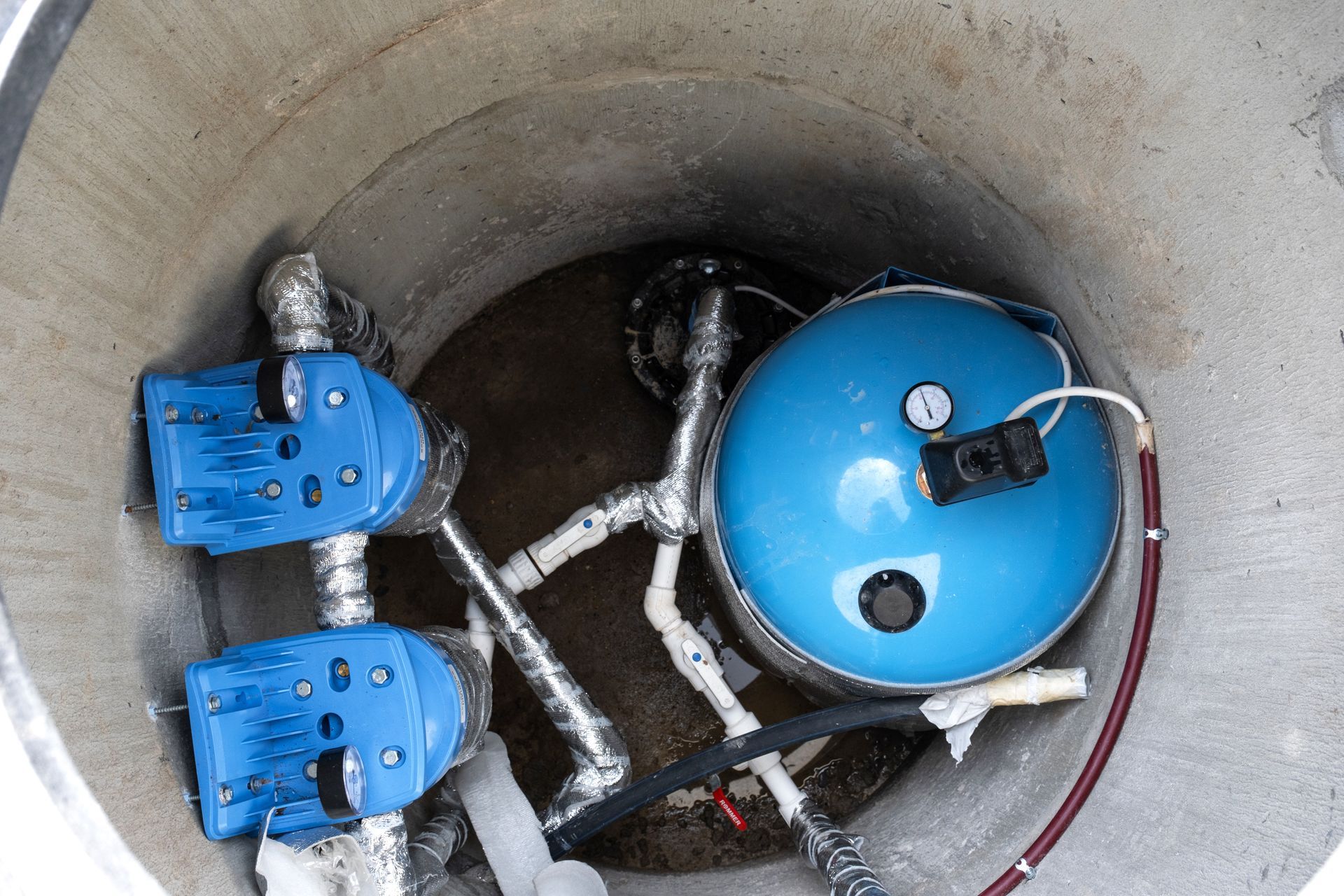
Your well, pump, and pressure tank were originally sized around your home's water demand at the time they were installed, based on the number of fixtures, bathrooms, and typical household use at that point. Adding a bathroom means more fixtures drawing water, sometimes at the same time as existing ones. A pool means a large one-time fill and, depending on the type, ongoing water use for topping off evaporation and backwashing filtration systems. Neither of these is necessarily a problem, but both represent new demand that the original system wasn't designed around, and a system with no capacity to spare will show that gap sooner or later.
What a New Bathroom Changes
An additional bathroom adds fixtures — a toilet, sink, and shower or tub — that can all be in use at the same time as your home's existing plumbing. If your current pump and pressure tank are already running close to capacity, adding simultaneous demand can show up as reduced pressure throughout the house, especially during peak-use times like mornings when multiple bathrooms are in use at once. A system with some capacity to spare may absorb the addition without any noticeable change; one that's already working at its limit may not, and the difference often isn't obvious until the new bathroom is finished and in daily use.
What a Pool Changes
Filling a new pool draws a large volume of water over a short period, which is a different kind of demand than everyday household use. Beyond the initial fill, ongoing use — topping off water lost to evaporation, backwashing a filter system periodically — adds a recurring draw that wasn't part of your well's original calculation. Depending on pool size and your well's yield, this can be a minor addition or a significant one, which is why it's worth an actual assessment rather than an assumption either way. A well that comfortably supports a household's everyday use doesn't automatically have the reserve capacity a pool fill requires.
Other Renovations Worth Considering Too
Bathrooms and pools are the most common triggers, but they're not the only renovations that change water demand. A significant kitchen remodel with upgraded appliances, an irrigation system for new landscaping, or even converting unfinished space into a guest suite with its own plumbing can all add meaningful demand that's worth factoring into the same conversation. The common thread isn't the specific project — it's whether the renovation adds fixtures or ongoing water use that didn't exist when your system was originally sized.
Signs Your System May Be Reaching Its Limit
A few signs suggest your well and pump system may be under more strain than it was designed for:
• Noticeably reduced pressure when multiple fixtures are used at once.
• A pump that seems to run longer or cycle more frequently than it used to.
• Pressure that drops specifically during pool filling or filter backwashing.
• Water that takes longer to recover pressure after heavy use.
Why Checking Before the Renovation Is Easier Than After
It's considerably easier to assess your well system's capacity and make any needed adjustments before a renovation is finished than it is to retrofit a solution afterward, once fixtures are installed and finishes are in place. A pre-renovation assessment gives you time to address any capacity gap as part of the overall project planning, rather than treating it as a separate, disruptive fix after the fact, when reopening finished walls or landscaping is a far bigger undertaking than it would have been during initial construction.
What an Assessment Looks Like
A technician can evaluate your current well yield, pump capacity, and pressure tank sizing against your planned addition to determine whether your existing system can reasonably absorb the new demand, or whether an upgrade makes sense as part of the project. This is a straightforward conversation to have early, ideally at the same point you're finalizing other renovation plans rather than after fixtures are already installed and the rest of the project has moved forward without it.
Planning a Renovation That Adds Water Use?
K & K Well Drilling, Inc. is a licensed Illinois well contractor serving well owners throughout Northern Illinois. If you're planning a bathroom addition, a pool, or any other renovation that will change your household's water demand, call
(630) 553-5111 to discuss your well system's capacity before the project gets underway. Travel fees may apply depending on your location. Learn more about our
pump installation and replacement services.